Part 107 success stories have gotten complicated with all the highlight reels, overnight success claims, and “I passed in 2 days” nonsense flying around. As someone who’s talked to hundreds of certificated pilots about their actual preparation journey, I learned everything there is to know about what really works and what the path actually looks like. Today, I will share it all with you.
Real talk – everyone’s path to passing Part 107 is different, but there are common threads that unite successful pilots. It’s not about being naturally gifted or spending thousands on prep courses. That’s what makes these real pilot stories endearing to us in the drone community – they show that ordinary people with dedication can master this certification.
Probably should have led with this section, honestly, but here are real stories from pilots across different backgrounds who passed their Part 107 and what made the difference for them:
**The Career Switcher: From IT to Agricultural Drone Operations**
John worked in IT for 15 years before discovering drone opportunities in agriculture. “I had zero aviation background,” he told me. “Reading sectional charts felt like learning hieroglyphics.” His approach: study 30 minutes every morning before work for 6 weeks. He focused heavily on Tony Northrup’s free YouTube course and did hundreds of practice questions. His breakthrough came when he stopped trying to memorize and started understanding the “why” behind regulations. Passed with an 87% on first attempt.
What worked for John: Consistency over cramming. Breaking study into manageable daily chunks. Using multiple resources to understand concepts from different angles.
**The Construction Inspector: Transitioning from Ground to Air**
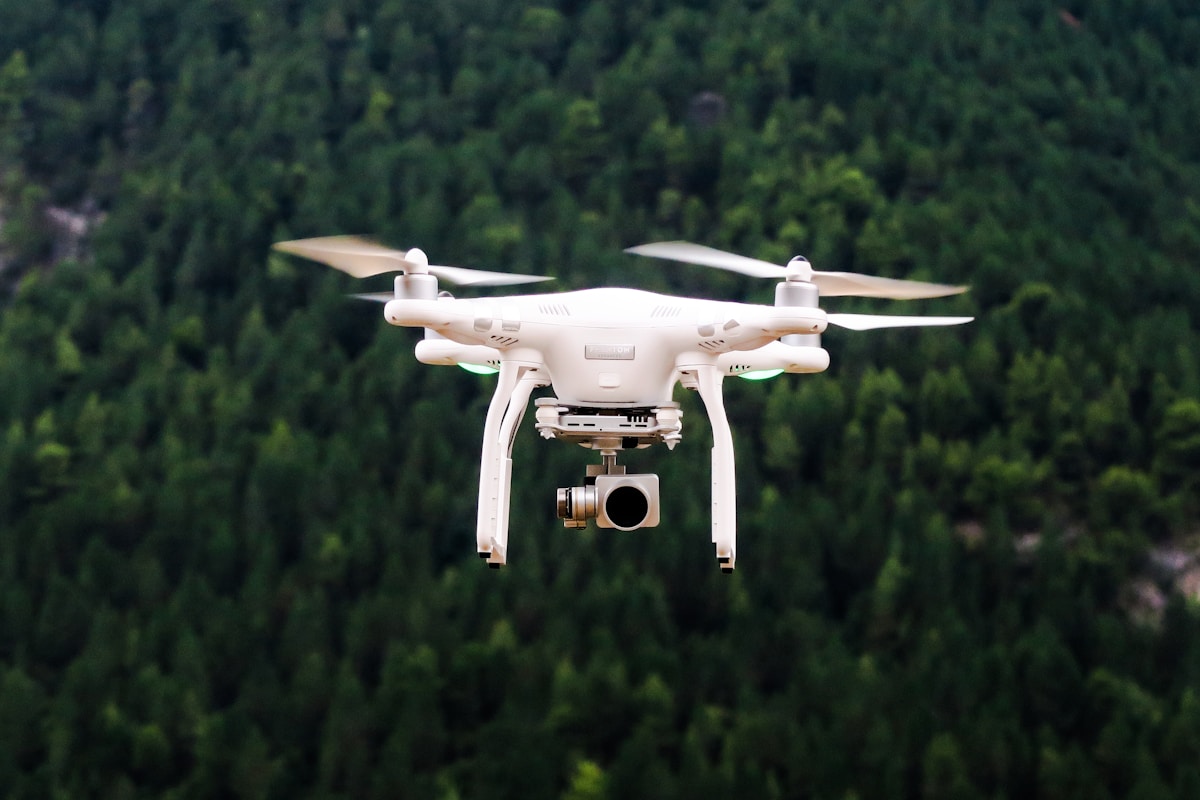
Maria was already doing building inspections when her company decided to add drone capabilities. She had 3 weeks to get certified. “Weather was my nemesis,” she said. “METARs and TAFs made no sense initially.” She printed out example METARs and carried them everywhere, decoding one whenever she had downtime. She also joined a study group on Facebook where members quizzed each other. Passed with a 92%.
What worked for Maria: Focused attack on her weakest subject. Study group accountability. Real-world application – she started checking actual METARs for her location daily to make it practical.
**The Hobbyist Turned Professional: When Flying for Fun Becomes a Business**
David had been flying drones recreationally for 3 years. “I thought it would be easy because I knew how to fly,” he admitted. “Wrong. Flying skill doesn’t translate to aviation knowledge.” His biggest challenge was recognizing that recreational experience didn’t prepare him for regulations, weather theory, and aeronautical decision-making. He used Remote Pilot 101’s course and invested in sectional chart practice. Took him two attempts – failed first with 68%, came back two weeks later and scored 85%.
What worked for David: Humility to recognize what he didn’t know. Learning from failure. Taking the second attempt seriously with focused study on his weak areas (which the score report clearly identified).
**The Wildlife Biologist: Adding Aerial Perspective to Conservation**
Nina needed Part 107 certification for wildlife tracking work. Her background in science helped with systematic study, but aviation was completely foreign. “I treated it like learning a new language,” she explained. She created flashcards for regulations, drew out airspace diagrams by hand repeatedly, and took practice tests weekly to track progress. Study time: 8 weeks, about 5 hours per week. Passed with 90%.
What worked for Nina: Systematic scientific approach. Active learning through drawing and writing. Regular progress testing to identify gaps.
**The SAR Volunteer: Emergency Response Applications**
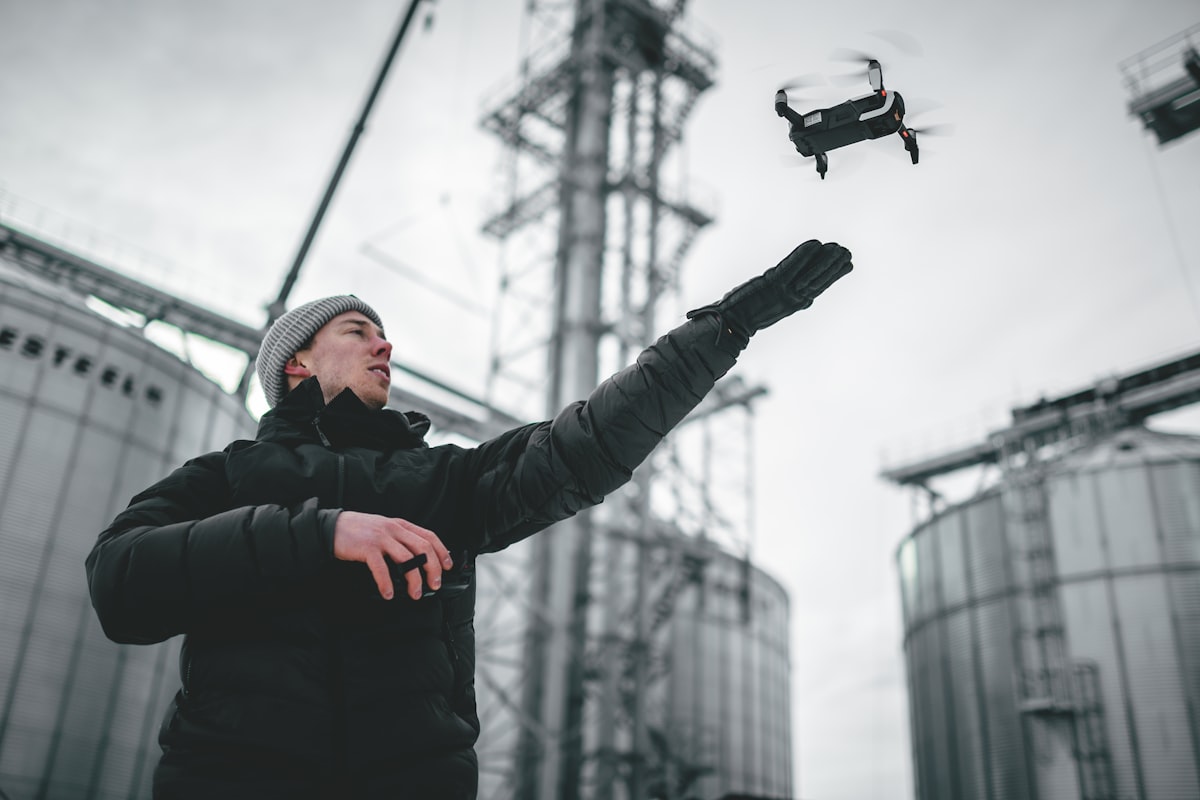
Tom’s search and rescue team wanted drone capabilities. He volunteered to get certified first. “The pressure was intense – I was pioneering this for the whole team,” he said. He used Pilot Institute’s course and studied during his commute (audio lessons). His strategy was understanding that Part 107 is about safety, not gatekeeping. Every regulation exists for a reason. Once he adopted that mindset, material clicked. Passed with 88%.
What worked for Tom: Understanding the purpose behind regulations. Using commute time efficiently. Reducing test anxiety by recognizing it’s about safety knowledge, not perfection.
**The Surveyor: Integrating Drones into Traditional Workflows**
Sarah’s surveying background gave her spatial awareness but no aviation knowledge. “I was terrified of the test,” she confessed. “I’m not good at standardized tests.” She hired a tutor for three one-hour sessions to work through her specific problem areas (weather and chart reading). Between sessions, she did practice tests and focused study. Passed with 82%.
What worked for Sarah: Recognizing when to ask for help. Targeted tutoring on weak areas. Not letting test anxiety prevent proper preparation.
**Common Threads Across All Success Stories**
After talking to dozens of pilots, patterns emerged:
1. **Time Investment:** Most successful first-time test takers studied 30-50 hours total over 4-8 weeks. Cramming in one week rarely worked.
2. **Multiple Resources:** Nobody relied on just one source. Successful pilots used videos, practice tests, study guides, and often a prep course.
3. **Practice Tests:** Everyone who passed took multiple full-length practice tests before attempting the real thing.
4. **Weak Area Focus:** Identifying and attacking weak subjects made the difference. General studying was less effective than targeted work on specific topics.
5. **Real-World Application:** Pilots who connected material to practical scenarios (checking actual weather, looking at real sectionals for their area) retained information better.
6. **Failure Isn’t Final:** Several successful pilots didn’t pass on the first attempt. They used their score report to guide focused restudy and passed the second time.
**What Didn’t Work**
Just as interesting are the approaches that consistently failed:
– Cramming everything in the final week
– Only watching videos without active practice
– Skipping practice tests
– Assuming flying experience substitutes for aviation knowledge
– Using only free resources without structured learning
– Ignoring weather and chart reading because they seemed hard
– Taking the test before feeling ready to “see what it’s like”
**The Takeaway**
There’s no single “right way” to prepare for Part 107, but successful pilots share common approaches: consistent study over several weeks, multiple resources, extensive practice testing, and focused work on weak areas. Your background doesn’t predict success – your preparation does. Whether you’re coming from IT, construction, biology, or anywhere else, the knowledge is learnable. These real pilots proved it. Take their lessons, adapt them to your learning style and schedule, and you’ll join them as a certificated remote pilot.