Part 107 regulations have gotten complicated with all the amendments, exemptions, and exceptions flying around. As someone who’s helped dozens of new pilots through their certification process, I learned everything there is to know about the rules that trip people up. Today, I will share it all with you.
Look, the Part 107 test covers a lot of ground, but there are specific rules that consistently catch new commercial pilots off guard. These aren’t the obvious ones like “don’t fly near airports” – those are pretty intuitive. I’m talking about the sneaky regulations that seem simple until you’re actually out in the field. That’s what makes Part 107 endearing to us experienced pilots – it teaches you through experience, sometimes the hard way.
Probably should have led with this section, honestly, but let me walk you through the five rules that most commonly surprise new certificated pilots:
- The Visual Line of Sight Rule Is Stricter Than You Think: Sure, everyone knows you need to keep your drone in sight. But here’s what catches people – you can’t use binoculars or zoom cameras as your primary means of seeing the aircraft. It has to be visible with your unaided eyes (corrective lenses are fine). That means on a hazy day or at distance, even if your camera feed is crystal clear, you need to bring it closer. Many new pilots assume FPV goggles with a visual observer count, but nope – you need a waiver for that.
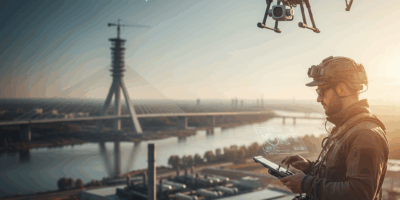
- The 400-Foot Rule Has a Loophole You’ll Actually Use: Everyone learns you can’t fly above 400 feet AGL (above ground level). What they don’t emphasize enough in training is that you can fly up to 400 feet above a structure if you’re within 400 feet laterally of it. This is huge for inspection work on towers, buildings, and bridges. I’ve seen pilots turn down perfectly legal jobs because they didn’t understand this exception.
- Night Operations Aren’t as Simple as “After Sunset”: The regulations define night as the time between the end of evening civil twilight and the beginning of morning civil twilight. That’s not just “when it gets dark” – civil twilight can extend 30 minutes past sunset. You need anti-collision lighting visible for 3 statute miles, and you need recent night flight training or experience. Don’t just assume you can fly at dusk without checking the specific twilight times for your location.
- You’re Responsible for Airspace Authorization Even in “Open” Areas: LAANC (Low Altitude Authorization and Notification Capability) made things easier, but new pilots often don’t realize that just because an area isn’t near a major airport doesn’t mean it’s unrestricted. There are hundreds of smaller airports, heliports, and other airspace restrictions that require authorization or notification. Always check B4UFLY or a similar tool, even if you’re flying from your backyard that you’ve used for recreational flights.
- Your Part 107 Certificate Doesn’t Override Local Laws: This is the big one that frustrates new commercial pilots. You can have every FAA approval in the world, but if local or state law prohibits drone flights in an area (like certain state parks or private property), the FAA certificate doesn’t override that. Part 107 only covers federal airspace regulations. You still need to comply with trespassing laws, privacy laws, and local ordinances. I’ve seen pilots get citations even though they were flying legally from an FAA perspective.
The key takeaway here is that Part 107 is the baseline, not the complete picture. The regulations work together with local laws, common sense safety practices, and client requirements to create your actual operating boundaries. What looks straightforward in the test becomes nuanced in real-world application.
The FAA updates these rules regularly, and new interpretations emerge as the drone industry evolves. What I’ve shared here reflects current regulations, but always verify the latest requirements before you fly commercially. The last thing you want is to violate a rule you didn’t even know had changed. Stay sharp, fly safe, and keep learning – the regulations are there to protect everyone sharing the airspace.