Pre-flight questions on the Part 107 exam have gotten complicated with all the scenario variations flying around. As someone who failed this section on my first attempt, I learned everything there is to know about what the FAA actually wants you to demonstrate. Today, I will share it all with you.
The pre-flight section trips people up because it combines regulations with practical decision-making. You need to know what pilots are supposed to check before takeoff and why those checks matter for safety.
Weather Checks Most People Skip
Probably should have led with this section, honestly. Test questions often present scenarios where weather seems fine at the surface but conditions aloft are different. Understanding how to check forecasts and read weather observations separates candidates who pass from those who struggle.
Fog formation questions are common. Know the conditions that lead to radiation fog, advection fog, and the difference between them. A clear morning can turn into zero visibility if you miss the signs. I missed two fog questions on my first attempt.
Airspace Authorization Confusion
That’s what makes airspace rules endearing to us drone pilots – they seem straightforward until the exam presents edge cases. Many candidates know they need authorization for controlled airspace but mix up the details. Questions might ask whether you can fly in Class D with just LAANC or if you need additional communication with the tower. The specific requirements vary by airspace class and the nature of your operation.
Study the authorization matrix until you can recall it without looking. When a scenario question places you near an airport, you need to know immediately what applies.
Equipment Inspection Traps
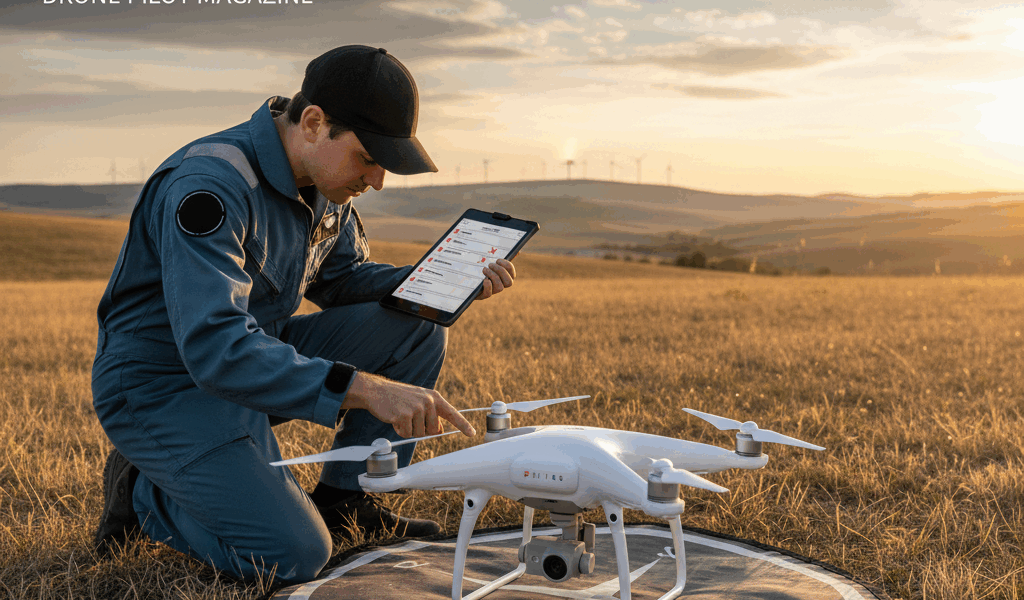
Pre-flight inspection questions sometimes present damaged equipment scenarios. What should you do if you notice a small propeller nick? What about a battery that is slightly swollen? The conservative answer is usually correct – when in doubt, do not fly.
Site Assessment Gaps
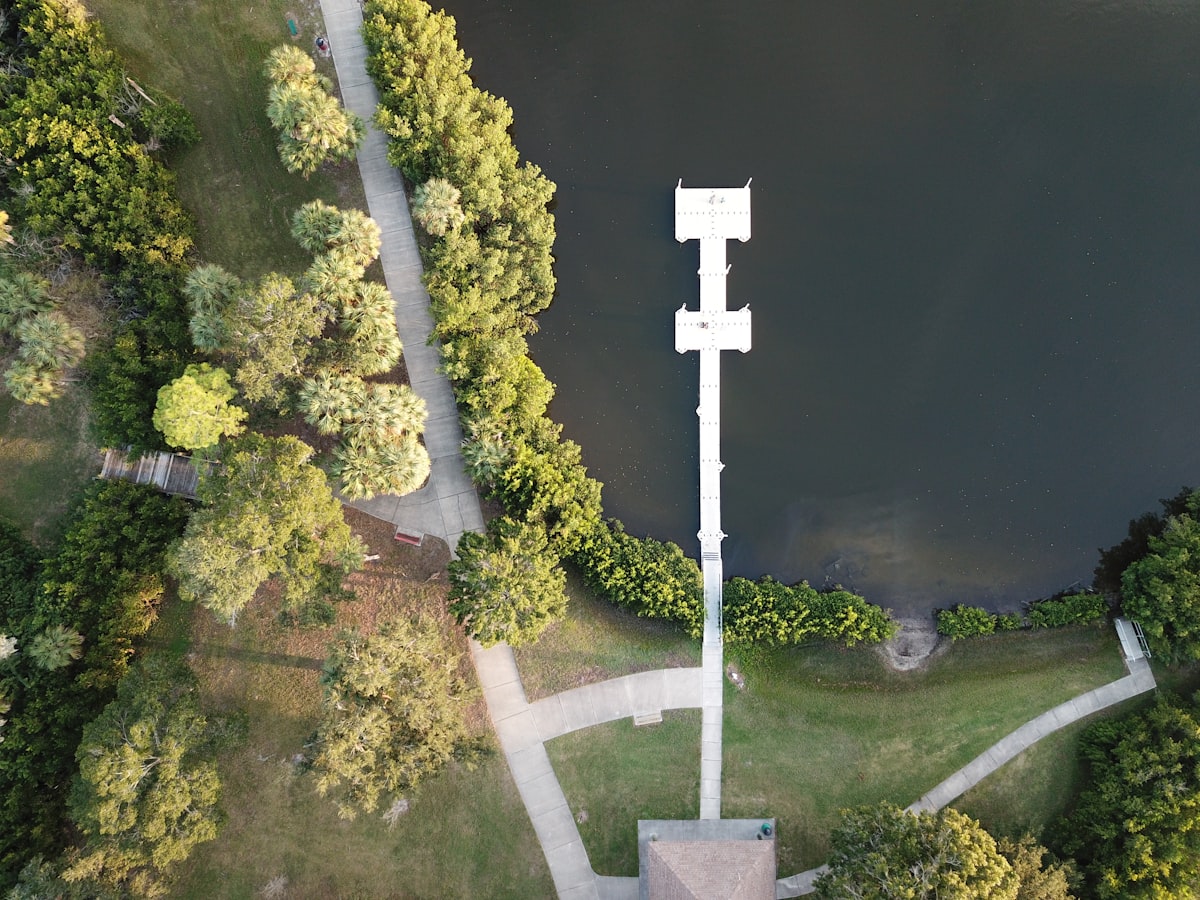
Evaluating the flight environment goes beyond just looking around. Questions ask about identifying obstacles, emergency landing zones, and hazards to people on the ground. Thinking through these elements before takeoff is part of being a professional pilot.
The exam wants to see that you approach flights methodically, not impulsively. Pre-flight is about setting yourself up for success, and the questions test whether you understand that mindset.