Post-flight procedures and requirements has gotten complicated with all the conflicting advice, outdated information, and overwhelming details flying around. As someone who’s been deeply involved in the Part 107 and drone operation world for years, I learned everything there is to know about this subject. Today, I will share it all with you.
That’s what makes this topic endearing to us certificated pilots – it gives us practical knowledge we can actually use in the field.
Probably should have led with this section, honestly, but let me break down what you really need to know:
Aircraft Inspection After Flight
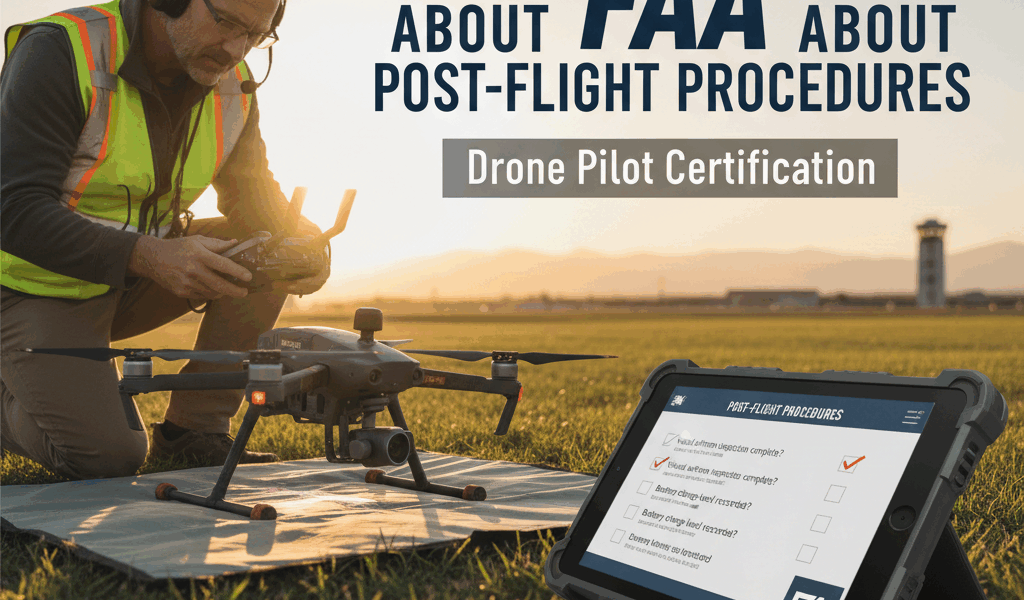
Post-flight inspection catches damage you might have picked up during operations. Look for propeller nicks, loose components, or anything that looks different from before takeoff. Finding problems immediately means addressing them before the next flight.
Battery condition deserves attention too. Did it drain faster than expected? Was there any unusual heat? These observations help you track battery health over time.
Secure Storage
Where and how you store your drone matters for its longevity. Batteries should be stored at around 40 to 60 percent charge if you are not flying again soon. Keep the aircraft out of direct sunlight and extreme temperatures.
The test might not ask directly about storage, but questions about equipment maintenance touch on these concepts. Knowing proper care extends beyond just the flying.
Reporting Requirements
If something happened during your flight that meets reporting thresholds – serious injury, significant property damage, or loss of your aircraft – you have obligations to notify the FAA. These requirements show up in exam questions about pilot responsibilities.
Even when nothing goes wrong, having a post-flight routine ensures you review what happened and catch any issues before they compound.