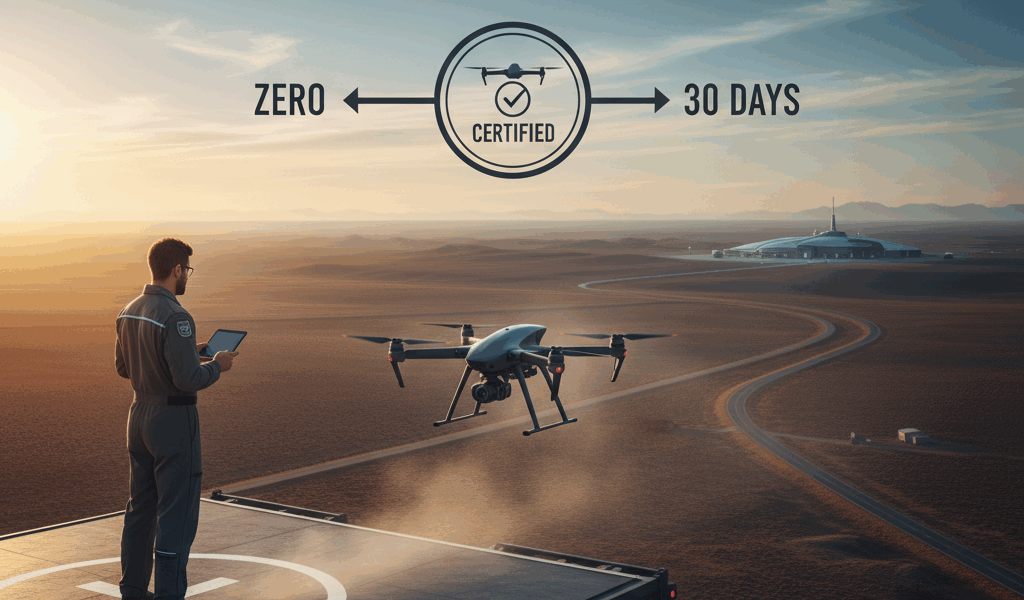
Fast-track certification strategy has gotten complicated with all the conflicting advice, outdated information, and overwhelming details flying around. As someone who’s been deeply involved in the Part 107 and drone operation world for years, I learned everything there is to know about this subject. Today, I will share it all with you.
That’s what makes this topic endearing to us certificated pilots – it gives us practical knowledge we can actually use in the field.
Probably should have led with this section, honestly, but let me break down what you really need to know:
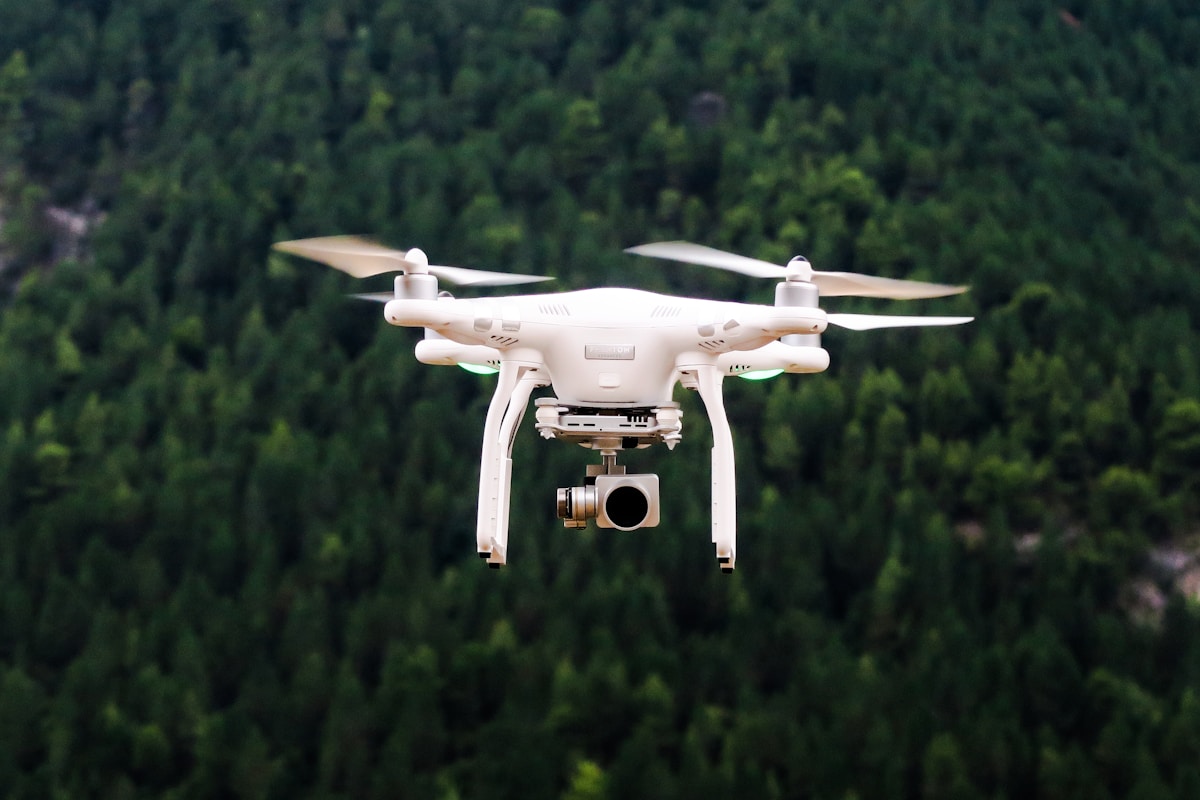
In the United States, the Federal Aviation Administration (FAA) oversees the certification of drone operators. Other countries have their own aviation authorities, such as the Civil Aviation Authority (CAA) in the UK or Transport Canada in Canada. These organizations set the criteria for certification and ensure that operators adhere to both national and international guidelines.
Basic Requirements for Certification
Most certification processes require applicants to meet basic eligibility criteria. Typically, candidates must be at least 16 years old and proficient in English. They also need to be physically and mentally capable of safely operating a drone.
Testing and Training
To become certified, operators usually need to pass a knowledge test. The test covers various topics such as airspace regulations, weather, emergency procedures, and drone maintenance. Preparing for this test often involves self-study or enrolling in a formal training program. There are many resources available, from online courses to in-person workshops.
Step-by-Step Certification Process

Step 1: Study the Requirements
Before diving in, familiarize yourself with the specific requirements of your country’s aviation authority. This information is usually available on their official website.
Step 2: Schedule the Knowledge Test
In the U.S., the FAA’s Aeronautical Knowledge Test (Part 107) is a good starting point. Testing centers can be found in many locations, and appointments can be made online.
Step 3: Prepare for the Test
Leverage study guides, online courses, and practice exams. Focus on understanding key topics, as rote memorization can leave gaps in practical knowledge.
Step 4: Take the Knowledge Test
On the day of the test, ensure you have the required identification and arrive early. The test typically consists of multiple-choice questions.
Step 5: Submit Application
After passing the test, submit your application for certification through the relevant portal. In the U.S., this is done through the Integrated Airman Certification and Rating Application (IACRA) website.
Step 6: Background Check
Most certification processes include a background check. This step ensures that candidates have no disqualifying offenses or security concerns.
Step 7: Receive Certification
Once the application is approved, you will receive your certification. This document will detail your authorization to operate drones in accordance with the regulations.
Maintaining Certification
Certification isn’t a one-and-done deal. Operators must stay current with regulatory changes and technological advances. Many certifications require periodic renewals and additional training.
Renewal Process
Operators are often required to renew their certification every two years. The renewal process usually involves re-taking the knowledge test to ensure ongoing competency.
Record Keeping and Reporting
Operators must keep detailed logs of their drone operations. This includes flight hours, maintenance records, and incident reports. Proper records are essential for both renewals and in case of FAA inquiries.
Advanced Certification Options
For those looking to expand their expertise, advanced certifications are available. These might cover night operations, flying over people, or operating in specialized airspace.
Training and Support Resources
A wealth of training resources are available to help candidates prepare. These include pilot schools, online courses, and community forums. Many organizations also offer support networks to connect new operators with experienced mentors.