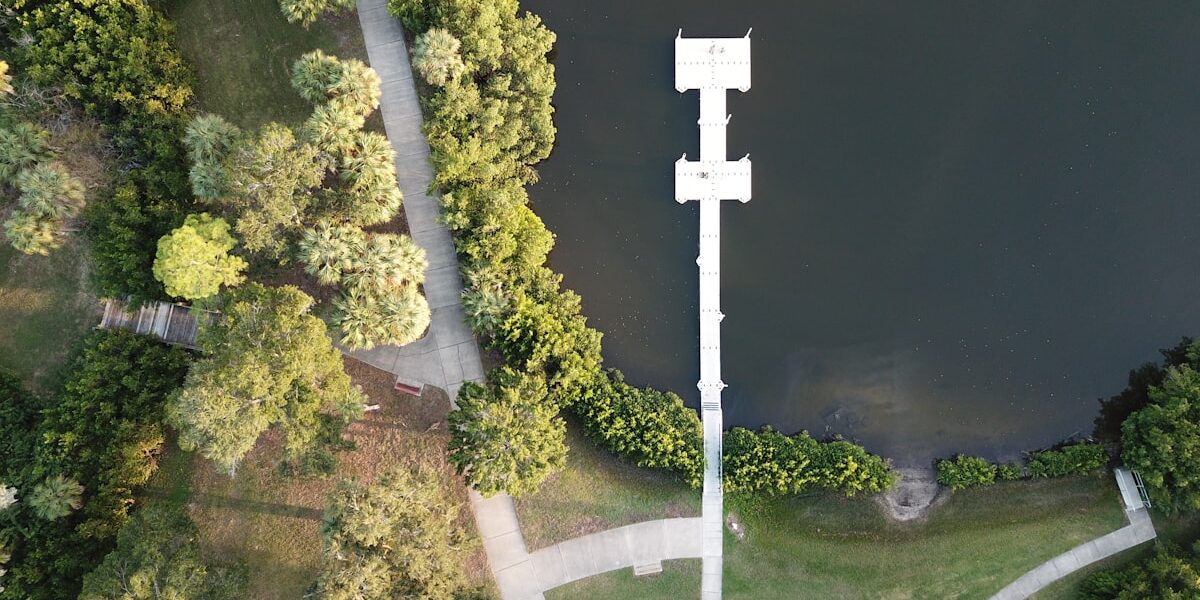
Becoming a certified UAS pilot through the FAA’s Part 107 program opens doors to commercial drone opportunities across multiple industries. This comprehensive guide covers everything you need to know about the certification process, from study preparation through your first commercial flights.
Understanding Part 107 Certification
The Remote Pilot Certificate, commonly called Part 107 certification, is required for anyone operating drones commercially in the United States. Whether you’re planning to offer aerial photography services, conduct infrastructure inspections, or work in agricultural applications, this certification is your gateway to legal commercial operations.
The FAA implemented Part 107 in 2016 to establish safety standards for small unmanned aircraft systems weighing less than 55 pounds. The regulation balances safety requirements with practical considerations for commercial operators, creating a framework that allows innovation while protecting both airspace users and people on the ground.
Eligibility Requirements
Before pursuing Part 107 certification, ensure you meet the basic eligibility criteria:
- Be at least 16 years old
- Be able to read, speak, write, and understand English
- Be in physical and mental condition to safely operate a small UAS
- Pass the initial aeronautical knowledge exam
- Complete TSA security screening
The requirements are deliberately accessible, recognizing that drone technology should be available to a wide range of operators. However, the knowledge exam ensures all certified pilots understand the regulations, airspace requirements, and safety considerations necessary for responsible commercial operations.
The Aeronautical Knowledge Test
The Part 107 knowledge test consists of 60 multiple-choice questions covering various aspects of drone operations and aviation fundamentals. You have two hours to complete the exam, and a passing score is 70% or higher (42 correct answers).
Test Topics Include:
Regulations (15-25% of questions)
Questions cover Part 107 regulatory requirements including operating limitations, registration requirements, and pilot responsibilities. Expect questions about maximum altitude restrictions, airspace classifications, and documentation requirements.
Airspace Classification and Operating Requirements (15-25%)
Understanding controlled and uncontrolled airspace is critical for safe operations. Test questions address Class A through G airspace, special use airspace, and the authorization requirements for operating in controlled areas.
Weather (11-16%)
Aviation weather concepts including fog formation, wind patterns, and the effects of weather on drone performance appear throughout the exam. Understanding weather sources like METARs and TAFs is essential.
Loading and Performance (7-11%)
Questions address how payload, altitude, temperature, and battery condition affect aircraft performance. Understanding these factors helps pilots operate safely within their aircraft’s capabilities.
Operations (35-45%)
This largest category covers practical operational knowledge including pre-flight procedures, emergency procedures, and maintenance requirements. Expect scenario-based questions requiring application of multiple concepts.
Study Resources and Preparation
Successful exam preparation typically requires 15-30 hours of study, depending on your background knowledge. Several approaches can help you prepare effectively:
Official FAA Resources
The FAA provides free study materials including the Remote Pilot Study Guide and the Pilot’s Handbook of Aeronautical Knowledge. These official resources cover all exam topics and represent the authoritative source for test content.
Online Courses
Numerous online courses offer structured learning paths with video instruction, practice tests, and study guides. Quality courses typically cost between $100-300 and include guarantees for passing the exam. Look for courses that update content regularly to reflect FAA guidance changes.
Practice Exams
Taking multiple practice exams helps identify weak areas and builds familiarity with question formats. Aim for consistent scores of 85% or higher on practice tests before scheduling your actual exam.
Scheduling and Taking the Exam
The Part 107 knowledge test is administered at FAA-authorized testing centers operated by PSI Services. You can schedule your exam online through the PSI website or by phone. Test centers are located throughout the country, with most metropolitan areas having multiple options.
What to Bring
- Government-issued photo identification
- Authorization to test (provided when scheduling)
- Calculator (some testing centers provide these)
Testing centers provide scratch paper and sectional charts if needed. Personal electronic devices must be stored in a locker during the exam.
After Passing the Exam
Passing the knowledge test is just the first step. Several additional steps complete your certification:
Complete FAA Form 8710-13
Submit your application through the FAA’s Integrated Airman Certification and Rating Application (IACRA) system. This online application links your exam results to your pilot certificate.
TSA Security Screening
The TSA conducts background checks on all applicants. This process typically takes 1-2 weeks but can occasionally take longer.
Receive Your Certificate
Once TSA approval is complete, your temporary certificate appears in your IACRA account. Your permanent plastic certificate arrives by mail within 6-8 weeks.
Maintaining Your Certification
Part 107 certificates remain valid indefinitely, but pilots must complete recurrent training every 24 calendar months to maintain current operational privileges. The FAA offers free online recurrent training through the FAAST safety team website.
Recurrent Training Topics
The recurrent training course covers regulatory updates, safety best practices, and operational procedures. Completing the training updates your privileges for another 24 months.
Beyond Basic Certification
While Part 107 certification authorizes standard commercial operations, some situations require additional authorizations:
- Operations in controlled airspace (LAANC or individual authorization)
- Night operations (included in current Part 107 with proper lighting)
- Operations over people (Category 1-4 authorization)
- Beyond visual line of sight operations (waiver required)
Understanding the waiver and authorization system allows certified pilots to expand their operational capabilities as needed for specific applications.
Career Opportunities
Part 107 certification opens numerous career paths in the growing drone industry:
Aerial Photography and Videography: Real estate, events, and media production increasingly rely on drone footage.
Infrastructure Inspection: Utilities, telecommunications, and energy companies use drones for tower, line, and facility inspections.
Agriculture: Crop monitoring, mapping, and precision agriculture applications continue expanding.
Public Safety: Law enforcement and emergency services use drones for search and rescue, accident reconstruction, and situational awareness.
Surveying and Mapping: Construction, mining, and land management benefit from drone-based surveying capabilities.
Conclusion
Earning your Part 107 certification represents the first step toward professional drone operations. With proper preparation, most candidates pass the knowledge test on their first attempt. The investment in studying pays dividends through safer operations and access to commercial opportunities in this rapidly growing industry.
Whether you’re starting a drone services business or adding UAS capabilities to existing professional services, Part 107 certification provides the foundation for legal, safe, and successful commercial operations.


Subscribe for Updates
Get the latest articles delivered to your inbox.
We respect your privacy. Unsubscribe anytime.